

Discovering Franciacorta DOCG: History, Grape Varieties, and Comparison with Prosecco
Whenever we pop open a bottle for a special occasion or a simple aperitivo with friends, we often use the word “bubbly” to encompass worlds that are vastly different from one another. Among the highlights of the Italian winemaking landscape, Franciacorta DOCG holds a position of distinction: an exceptional sparkling wine born between the rolling hills of Lake Iseo and the Brescia plain, crafted according to strict regulations tied to the land and to time.
To fully understand what makes this product so special, let’s explore its characteristics, native grape varieties, and key differences from another iconic player in Italian wine: Prosecco.
What is Franciacorta DOCG and Which Grapes are Used?
The DOCG designation (Denominazione di Origine Controllata e Garantita), awarded in 1995, imposes some of the strictest production standards in the world to guarantee quality and elegance in every glass.
Franciacorta is produced exclusively using the Metodo Classico (or traditional bottle-fermentation method). Following an initial fermentation of the grape must in tanks, the base wine is bottled with the addition of sugars and yeasts. It is here that the second fermentation takes place: the yeasts transform the sugars into carbon dioxide, creating the wine’s characteristic fine and persistent effervescence. The production guidelines then require an extended period of aging on the lees in direct contact with the wine, lasting a minimum of 18 months (which increases for Satèn, Rosé, Millesimati, and Riserva styles).
The grape varieties permitted by the regulations are:
Chardonnay: Adds elegance, floral notes, freshness, and structure.
Pinot Nero (Pinot Noir): Provides body, longevity, and striking aromatic complexity.
Pinot Bianco (Pinot Blanc): Used in smaller percentages, bringing minerality and finesse.
Erbamat: An autochthonous white grape from the Brescia area, recently introduced to preserve the wines’ acidity and freshness.
Key Differences Between Franciacorta and Prosecco
While Franciacorta and Prosecco are both points of pride for Italian winemaking, they are distinctly different products in terms of method, grape varieties, and sensory profiles.
Production Method: Traditional (Metodo Classico) vs. Martinotti (Charmat)
Franciacorta (Metodo Classico): Re-fermentation occurs inside each individual bottle. The wine rests on its yeasts for extended periods (ranging from 18 to over 60 months), developing notes of bread crust, pastry, toasted nuts, and an exceptionally fine, long-lasting perlage.
Prosecco (Martinotti / Charmat Method): The second fermentation takes place in large stainless-steel tanks (autoclaves) over a significantly shorter timeframe (ranging from a few months to around a year). This process preserves the grape’s primary fruit aromas, producing a fresh, fruity, and highly approachable wine.
Grape Varieties and Terroir
Franciacorta: Originates from a strictly defined area in the province of Brescia (Lombardy), set between glacial morainic hills and Lake Iseo, crafted from Chardonnay, Pinot Nero, Pinot Bianco, and Erbamat grapes.
Prosecco: Produced across a vast region spanning Veneto and Friuli-Venezia Giulia, it is made predominantly from Glera grapes (at least 85%), a native white variety known for its vibrant, floral aromas.
While Prosecco favors immediate appeal, freshness, and the bright primary scents of the Glera grape, Franciacorta relies on patience and extended aging to develop a silky effervescence and a complex structure.
| Feature | Franciacorta | DOCGProsecco | DOC / DOCG
| Production Area | Defined territory in the province of Brescia | (Lombardy)Extensive region across Veneto and Friuli-Venezia Giulia |
| Main Grape Varieties | Chardonnay, Pinot Nero, Pinot Bianco, Erbamat | Glera (minimum 85%) |
| Production Method | Metodo Classico (bottle re-fermentation) | Martinotti / Charmat Method (tank re-fermentation) |
| Lees Aging | From a minimum of 18 months up to over 60 months | Brief (typically a few months to around one year) |
| Aromatic Profile | Notes of bread crust, yeast, dried fruit; high complexity and persistence | Fresh, fruity (apple, pear), and floral aromas; light and crisp palate |
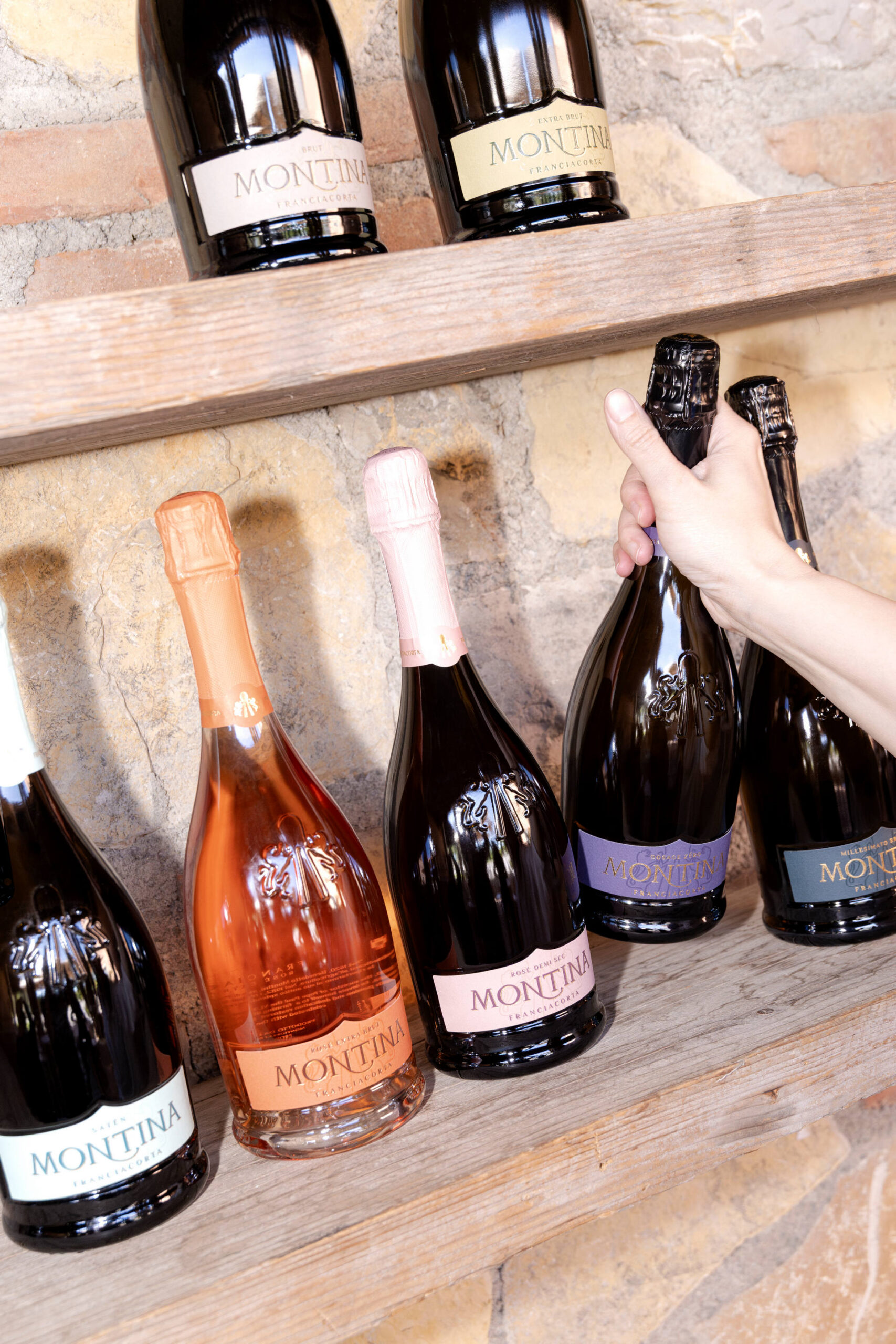
Montina’s Franciacorta Styles: From Dosage to Glass
Every palate and culinary pairing requires the right level of dosage (the small amount of sugar added prior to final corking). At our winery, we bring various interpretations of our terroir to life:
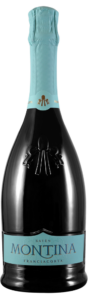
1. Franciacorta Brut: Versatile Balance
The hallmark style of the appellation. Blended primarily from Chardonnay and Pinot Nero, our Brut pairs citrus freshness with a pleasant hint of bread crust. It is the ideal companion from aperitivo throughout the meal, pairing wonderfully with seafood appetizers or white meats.
A classic signature of our estate, also available for purchase on our online shop.
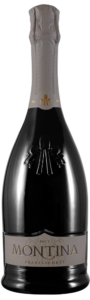
2. Franciacorta Satèn: Silky Softness
An exclusive style unique to Franciacorta, Satèn is crafted solely from white grape varieties (Chardonnay and Pinot Bianco) and features lower bottle pressure (under 5 atmospheres). The result is an extraordinarily soft, creamy bubble with pronounced nuances of white-fleshed fruit and toasted nuts.
An experience of pure elegance, easily ordered through our online shop.
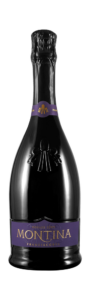
3. Franciacorta Dosage Zero (Pas Dosé): Pure Authenticity
For those seeking the purest expression of the vineyard without any added sugars after disgorgement. Our Dosage Zero stands out for its crisp minimalism, minerality, and clean palate. A focused and refined glass, excellent alongside raw seafood, shellfish, and haute cuisine dishes—conveniently available on our online shop.
Bring Franciacorta to Your Home
Whether you are looking for a special bottle to mark a milestone or wishing to explore the subtleties of our cuvées, you can have our wines delivered directly to your doorstep.
Visit our Online Shop to discover our full range, gift sets, and special formats.